


Socket.IO Explained: How It Works, Use Cases & Alternatives (Updated July 2026)
Learn Socket.IO vs WebSocket differences, performance comparison, and implementation guide. Discover when to use Socket.IO for real-time apps updated in July

You've likely found yourself comparing Socket.IO vs WebSocket options, trying to figure out which approach will actually work for your real-time features without becoming a maintenance nightmare. The truth is, building real-time collaboration often meant wrestling with raw WebSocket connections, but modern collaboration platforms have changed the game entirely.
Let's break down exactly how Socket.IO works, when you should use it, and how to implement it without the usual headaches. We'll also look at Velt, review and approval infrastructure that ships pre-built collaboration components, and other alternatives that might be better suited for your use case.
TLDR:
- Socket.IO wraps WebSocket with auto-reconnection and fallbacks but adds message overhead
- WebSocket offers better performance while Socket.IO provides easier developer experience
- You can setup basic real-time features in less than an hour with Socket.IO server and client setup
- Building complete review and approval features requires 25+ capabilities beyond messaging that take months to develop from scratch
- Velt provides review and approval infrastructure (contextual comments, approval workflows, presence, and video) that teams ship in days, not months
What is Socket.IO?
Socket.IO is a JavaScript library that allows low-latency, bidirectional, and event-based communication between clients and servers. Think of it as a wrapper around WebSocket that adds developer-friendly features and automatic fallbacks when WebSocket connections fail.
The library consists of two parts: a client-side library that runs in the browser and a server-side library for Node.js. Both components work together to create and maintain real-time connections, handling the messy details of network protocols so you don't have to.
What makes Socket.IO different from raw WebSocket is its focus on reliability and ease of use. It automatically handles connection drops, provides fallback transport methods, and includes features like rooms and namespaces for organizing connections. This makes it particularly appealing for developers who want real-time functionality without managing low-level networking code.
Socket.IO has become a go-to choice for many real-time applications, from simple chat systems to complex multiplayer games. However, as collaborative features become more sophisticated, many teams are moving toward review and approval infrastructure that ships contextual comments, approval workflows, presence, and audit trails as pre-built components, skipping the work of building the real-time layer from scratch.
The library supports multiple transport methods, automatically selecting the best available option. This makes your app work across different network conditions and browser features, making it more reliable than implementations that rely solely on WebSocket.
Socket.IO vs WebSocket Key Differences
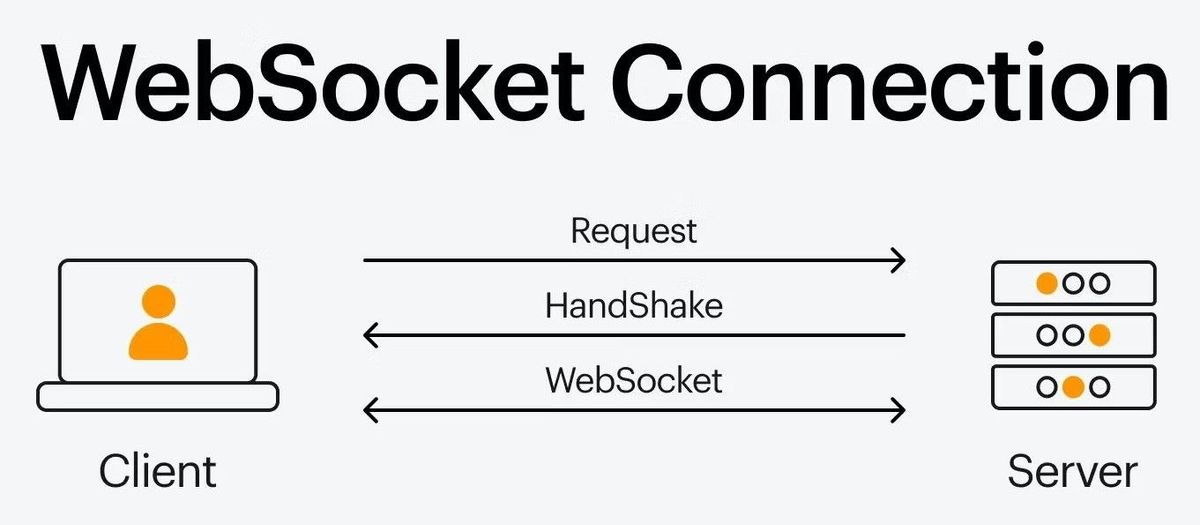
Here's the key point: Socket.IO is NOT just a WebSocket implementation. Although Socket.IO uses WebSocket for transport when possible, it adds additional metadata to each packet that changes how data flows between client and server.
WebSocket is a communication protocol that provides full-duplex communication over a single TCP connection. It's a raw, binary-capable protocol with minimal overhead, making it ideal for applications that need maximum performance and control over message formatting.
Socket.IO, on the other hand, is a library that uses WebSocket as one of several transport options. It wraps your data in a custom event-based structure, adding features like automatic reconnection, rooms, and namespaces. This abstraction simplifies development but comes with performance implications.
| Feature | WebSocket | Socket.IO |
|---|---|---|
| Protocol Type | Native browser API | JavaScript library |
| Message Overhead | Minimal | Additional metadata |
| Automatic Reconnection | Manual implementation | Built-in |
| Fallback Support | None | WebSocket first, then HTTP long-polling |
| Learning Curve | Steeper | Gentler |
| Performance | Higher | Lower due to abstraction |
The choice between them often comes down to whether you need protocol-level control or prefer developer convenience features. For teams building real-time collaboration tools, understanding these trade-offs helps inform architecture decisions.
Performance and Latency Comparison
When building large-scale real-time systems, performance differences between Socket.IO and WebSocket become more pronounced. WebSocket typically provides lower latency since it's a raw, binary-capable protocol with minimal overhead.
Socket.IO wraps data in a custom event-based structure. This simplifies development but increases message size and adds serialization/deserialization steps that impact performance. Each message carries metadata like event names, acknowledgments, and namespace info.
In benchmark tests, WebSocket consistently shows lower latency and higher throughput. The difference becomes noticeable in applications that send frequent updates, like real-time cursors or live document editing. For applications sending hundreds of messages per second, WebSocket's speed advantage compounds.
However, raw performance isn't everything. Socket.IO's overhead often becomes negligible in applications where user experience matters more than microsecond optimizations. The automatic reconnection and fallback features can actually improve perceived performance by maintaining connections that would otherwise fail.
For teams looking at real-time solutions, consider whether you're optimizing for raw speed or development velocity. Modern collaboration tools like best notification SDKs often provide the best of both worlds by handling performance optimization while offering high-level APIs.
Developer Experience and Features
Socket.IO shines in developer experience with features that would require major custom implementation with raw WebSocket. The library includes automatic reconnection with exponential back-off delay and fallback to HTTP long-polling when WebSocket connections cannot be created.
These convenience features dramatically reduce development time. With WebSocket, you'd need to manually implement connection monitoring, reconnection logic, and fallback protocols. Socket.IO handles this automatically, letting you focus on application logic instead of network reliability.
The event-based API also simplifies message handling. Instead of parsing raw message data, you can emit and listen for named events with structured data. This makes code more readable and reduces the likelihood of message parsing errors.
Socket.IO also provides rooms and namespaces for organizing connections. Rooms let you group clients for targeted messaging, while namespaces allow multiple Socket.IO applications to share a single connection. These organizational features would require custom implementation with WebSocket.
For teams building review and approval features, these developer experience improvements can genuinely speed up delivery. Velt goes further, shipping review and approval infrastructure (contextual comments, approval workflows, presence, notifications, audit trails, and recording) as pre-built components so teams skip building the real-time layer from scratch.
Common Socket.IO Use Cases
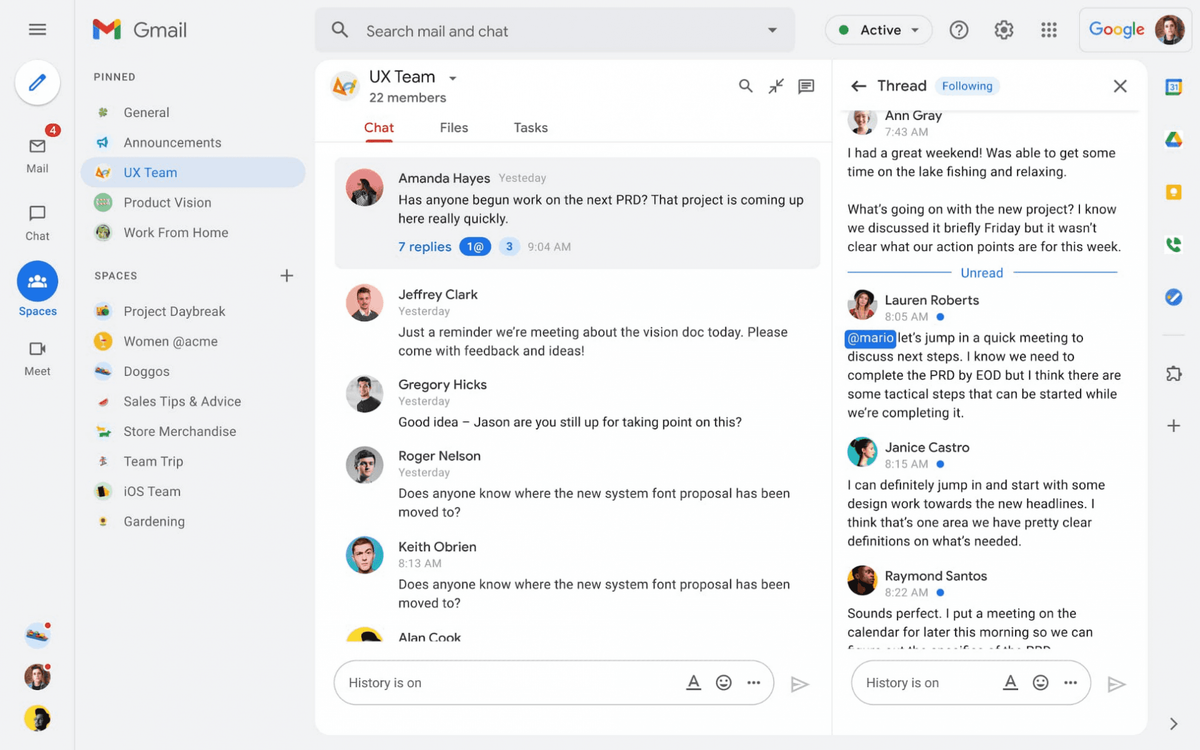
Socket.IO is often chosen for applications that require real-time, two-way communication between clients and servers:
- Chat Applications: One of the most straightforward examples, where instant message delivery and updates across users are a core requirement.
Multiplayer Online Games: Real-time features support player movement, state synchronization, and interactions. The room functionality helps group players into sessions and manage communication.
- Dashboards and Monitoring Tools: Useful for showing live data such as traffic, server metrics, or stock prices. Automatic reconnection helps maintain updates if a connection drops.
- Collaborative Editing: Can be applied to synchronize document changes across multiple users. Handling conflicts and version control is still a challenge, so many teams combine Socket.IO with other solutions.
- Live Streaming Add-Ons: While not handling video itself, Socket.IO can provide supporting features like chat overlays, viewer counts, or reactions.
For specific industries, Socket.IO powers applications in video editing workflows and analytics dashboards where real-time collaboration improves productivity and user experience.
Beyond Socket.IO with Velt
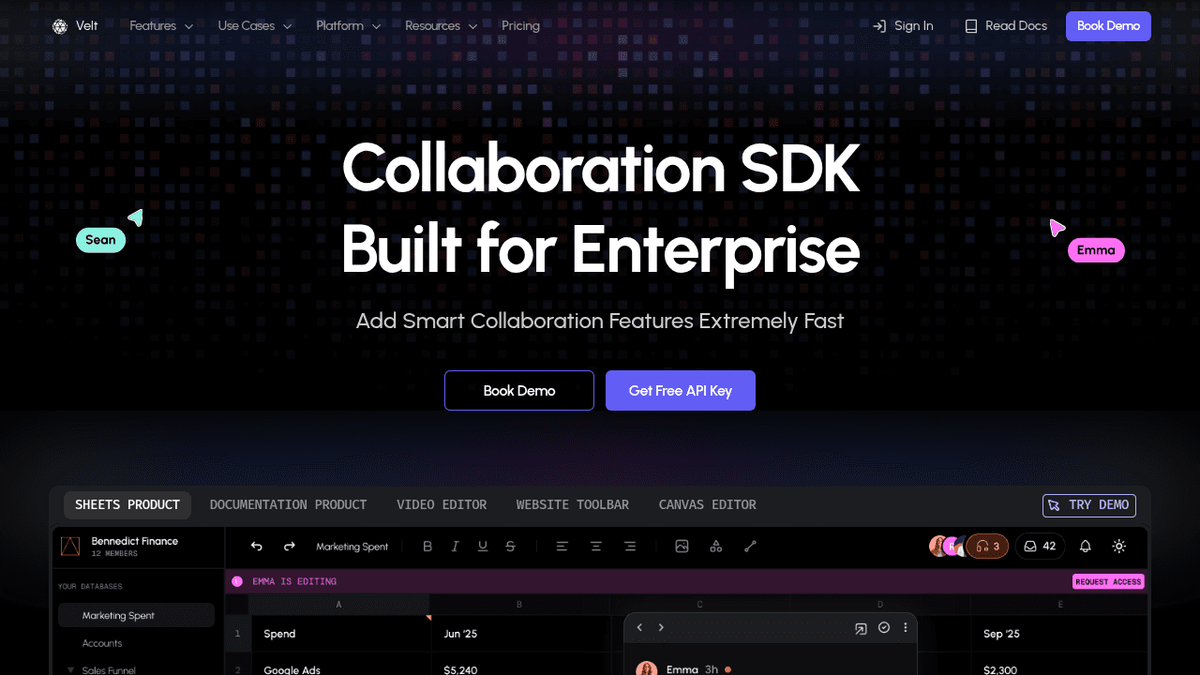
While Socket.IO provides solid real-time communication foundations, building complete review and approval applications requires far more than basic messaging. Users expect features like contextual comments, approval workflows, presence indicators, and video huddles that would take months to build from scratch.
Velt provides review and approval infrastructure (contextual comments, approval workflows, and audit trails) as pre-built SDK components that go far beyond what Socket.IO offers. These features include approval workflows (configurable multi-step sign-off with state tracking), immutable audit trails (automatically generated for every review action, timestamped and attributed), real-time presence, contextual comments, video huddles, screen recording with AI transcription, and live state synchronization. Instead of building these from scratch, teams can ship review and approval workflows in days, not months.
The difference in implementation complexity is real. Socket.IO might require hundreds of lines of custom code to build a basic commenting system, while Velt ships the same feature as a pre-built component. Teams ship their first approval workflow in 3 days or less with Velt, compared to weeks of custom Socket.IO development.
Velt handles the underlying real-time infrastructure while providing high-level components that users actually want. This includes features like threaded conversations, @mentions, emoji reactions, and comment resolution workflows that would require major custom development with Socket.IO.
The SDK supports multiple frameworks including React, Vue, Svelte, and Angular, making it easy to integrate regardless of your tech stack. Unlike Socket.IO's protocol-level approach, Velt provides UI components that work out of the box while remaining fully customizable.
For teams building specific applications like form builders, presentation tools, video players, or spreadsheet applications, Velt's pre-built components eliminate the need for custom Socket.IO implementations entirely.
Final thoughts on Socket.IO for real-time applications
Socket.IO offers a decent foundation for real-time messaging, but often you'll need more than just basic communication. You'll need features like contextual comments, presence indicators, and video calls that take months to develop from scratch. Velt provides all these review and approval features (contextual comments, approval workflows, presence indicators, and video huddles) as pre-built components, letting you focus on your core product instead of rebuilding real-time infrastructure. Your users will get a polished collaborative experience without the typical development overhead.
FAQ
How do I choose between Socket.IO and WebSocket for my project?
Choose WebSocket if you need maximum performance and have the resources to handle reconnection logic manually. Choose Socket.IO if you want built-in reliability features like automatic reconnection and fallbacks, and don't mind the additional message overhead.
What's the main performance difference between Socket.IO and WebSocket?
WebSocket provides lower latency and higher throughput since it's a raw protocol with minimal overhead, while Socket.IO adds metadata to each message for features like event handling and namespaces, resulting in larger message sizes and additional processing steps.
How long does it typically take to implement basic real-time features with Socket.IO?
Basic Socket.IO setup can be completed in a few hours, but building production-ready collaborative features like commenting, presence, and video calls typically takes weeks or months due to the complexity of UI components and conflict resolution logic.
When should I consider using a collaboration SDK instead of Socket.IO?
Consider a review and approval SDK like Velt when you need features like contextual comments, approval workflows, audit trails, presence indicators, or video calls. All of these come pre-built in Velt, avoiding the custom Socket.IO development work entirely.
Can Socket.IO handle high-frequency real-time updates like live cursors?
While Socket.IO can handle frequent updates, its message overhead makes it less efficient than WebSocket for high-frequency scenarios like live cursors or rapid document synchronization, where performance optimization becomes critical.